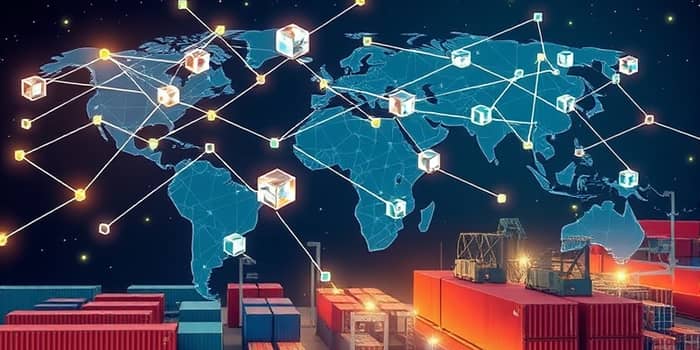
As global trade becomes increasingly complex, the need for an unbreakable chain of trust has become paramount. Blockchain is not just a buzzword—it is a revolution that can reshape supply chains with transparency, security, and efficiency.
At its core, blockchain is a decentralized, immutable digital ledger that records transactions across multiple parties without reliance on a central authority. Every participant holds a copy of the ledger, ensuring that data cannot be altered without consensus. This structure enhances visibility and builds trust among manufacturers, shippers, regulators, and consumers.
By leveraging cryptographic security and consensus mechanisms, blockchain safeguards sensitive supply chain data and prevents unauthorized manipulation. Smart contracts automate verification steps, releasing payments or triggering alerts when predefined conditions are met. When integrated with IoT sensors, it delivers real-time visibility across all stakeholders, from raw material sourcing to final delivery.
Blockchain unlocks transformative advantages at every stage of the supply chain. Companies can leverage these benefits to drive operational excellence, reduce risk, and enhance consumer trust.
The momentum behind blockchain adoption in supply chains is staggering. Analysts forecast rapid expansion driven by demand for transparency and operational agility. Below is a snapshot of market projections from leading research firms:
By 2025, more than 12,500 deployments worldwide will leverage blockchain to secure shipments, verify authenticity, and streamline compliance. The logistics and transportation industry leads adoption, closely followed by healthcare, manufacturing, and retail.
Companies around the world are harnessing blockchain to overcome long-standing challenges and deliver measurable impact:
These examples illustrate how a shared ledger fosters accountability and fosters rapid resolution of disruptions. Temperature-sensitive shipments, ethical labor audits, and carbon emissions tracking all benefit from timestamped data and automated alerts.
Blockchain does not operate in isolation. Its synergy with IoT devices, AI analytics, and layer-2 scaling solutions unlocks powerful capabilities:
By combining IoT sensors with blockchain, companies achieve environmental monitoring for pharmaceuticals, ensuring products remain within safe temperature ranges. AI-driven smart contracts can predict supply disruptions and trigger contingency plans.
Layer-2 scaling is poised to handle millions of transactions per second, making global supply chain networks viable at enterprise scale. Proof-of-Stake protocols reduce energy consumption by over 99% compared to earlier consensus methods, aligning with sustainability goals.
Transitioning to a blockchain-enabled supply chain requires strategic planning and collaboration. Organizations can follow these five actionable steps:
Each step should be accompanied by performance metrics—transaction throughput, cost savings, and reduction in errors—to demonstrate the business case and secure ongoing investment.
Despite its potential, blockchain adoption faces hurdles such as interoperability concerns, regulatory uncertainty, and the need for skilled talent. Organizations can mitigate these risks by:
• Building industry consortia to establish common data formats and governance models.
• Partnering with technology providers offering blockchain-as-a-service to reduce development complexity.
• Advocating for clear regulatory frameworks that balance innovation with security and privacy.
By proactively addressing these challenges, companies can transition from pilot projects to enterprise-wide deployments that yield 20–30% cost savings and enhanced resilience to disruptions.
Blockchain is more than a technological innovation—it is a catalyst for trust and collaboration in global trade. As organizations embrace decentralized ledgers, automated smart contracts, and integrated IoT, they unlock unprecedented transparency and efficiency.
The journey demands vision, partnership, and persistence, but the rewards are profound: secure supply chains, empowered consumers, and a more sustainable, equitable world. Now is the moment to seize the promise of blockchain and lead the charge toward future-proofed global commerce.
References