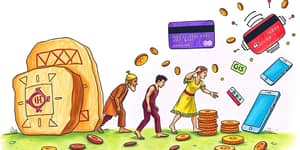
Credit card debt can feel like an endless storm, eroding confidence and peace of mind. Yet, with understanding, strategy, and solidarity, it is possible to reclaim control and build lasting resilience. This compassionate guide blends human stories with data-driven insights, offering practical steps and hope to those navigating financial hardship.
Behind every statistic lies a person grappling with stress, shame, and uncertainty. Consider Lana Linge, a 29-year-old who faced a layoff just as inflation spiked. Medical bills, car repairs, and daily necessities drove her into a cycle of borrowing. Within months, she carried $40,000 across six cards.
Many debtors feel trapped as minimum payments seem to barely scratch the surface. Emotional spending can become a temporary escape, deepening the burden. Acknowledging these feelings is the first step toward healing—compassion for yourself lays the foundation for change.
Nearly half of U.S. credit cardholders carry a balance, with Gen X and millennials leading at 53%. Total outstanding balances reached $1.28 trillion in Q4 2025, up 5.5% year over year. Despite rising debt, delinquencies remain near historic lows, reflecting disciplined debtors and tighter underwriting.
Average APRs have begun to ease following Federal Reserve rate cuts, yet they still hover near 21%. Understanding these numbers empowers you to choose the right relief path.
Relief begins with a tailored plan that honors your unique situation and emotional well-being. Consider these steps to regain control:
Each option carries pros and cons. Balance transfers can save interest but may incur fees, while consolidation loans require disciplined repayment. Reach out for professional advice if you feel overwhelmed—seeking help is a sign of strength, not weakness.
A healthy financial life is more than eliminating debt; it’s about forging habits that foster long-term stability. Incorporate these practices one step at a time:
Over time, these habits compound, transforming your relationship with money from one of anxiety to empowerment.
Credit card debt is a personal challenge, but it also reflects broader societal pressures. Advocacy for policy reform and community support can amplify individual efforts:
Together, we can build systems that prioritize fairness and resilience. Remember, you are not alone on this path—community, compassion, and clear strategies can light the way forward. Take the first step today by assessing your balances, seeking guidance, and committing to a plan that honors both your financial and emotional well-being.
References