>
Secured Loans
>
Demystifying Secured Loans: What You Need to Know

Demystifying Secured Loans: What You Need to Know

12/10/2025
Yago Dias
Demystifying Secured Loans: What You Need to Know

In the complex world of finance, leveraging your assets can unlock doors to opportunity and stability. Secured loans offer a powerful financial tool for achieving goals like homeownership or debt consolidation while potentially lowering costs.

Understanding how these loans work empowers you to navigate the lending landscape with confidence and make informed decisions that align with your financial future.

This comprehensive guide breaks down everything from definitions to practical frameworks, helping you harness the benefits of collateral-backed borrowing effectively.

What Are Secured Loans?

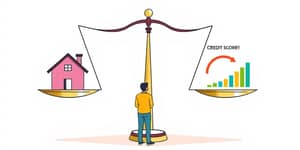
A secured loan is a type of loan that requires collateral to back the borrowed amount, reducing lender risk.

Collateral can include assets like a house, car, savings account, or even personal items such as jewelry in pawn loans.

This arrangement often leads to lower interest rates and higher borrowing limits compared to unsecured options.

If the borrower defaults, the lender can seize and sell the collateral to recover losses, which is a key distinction from unsecured loans.

  • Common collateral examples: real estate, vehicles, investment accounts, and business equipment.
  • Legal mechanisms involve placing a lien on the asset, with the lender holding titles or deeds until repayment.

How Secured Loans Work: The Mechanics

The process begins with an application where the lender assesses your credit, income, and collateral value.

Once approved, a lien is placed on the asset, securing the loan and often involving fixed monthly payments over a set term.

Repayment terms can vary widely, from as short as one year for some personal loans to up to 30 years for mortgages.

If you repay as agreed, the lien is released, but defaulting risks repossession or foreclosure on the collateral.

  1. Apply and meet credit, income, and collateral requirements.
  2. Lender assesses collateral value, possibly through appraisals.
  3. Lien is placed on the asset; for homes or cars, the lender holds the title.
  4. Receive funds as a lump sum and repay in installments over the term.
  5. Upon full repayment, the lien is removed, or if defaulted, collateral is seized.

Major Types of Secured Loans

Secured loans come in various forms, tailored for different purposes and collateral types, from consumer to business needs.

They provide flexibility for major expenses, helping you leverage assets you already own for financial growth.

  • Mortgages: Collateral is the home itself, with terms up to 30 years and risks of foreclosure if payments are missed.
  • Home equity loans and HELOCs: Use home equity for improvements or debt consolidation, often with variable rates.
  • Auto and vehicle loans: Collateral is the vehicle, with the lender holding the title until repayment to prevent repossession.
  • Secured personal loans: Backed by assets like savings accounts or home fixtures, offering access to funds with favorable terms.
  • Secured credit cards: Require a cash deposit as collateral to build or rebuild credit history effectively.
  • Pawn shop loans: Use personal items as collateral for short-term borrowing, with the item kept if not repaid.
  • Business secured loans: Collateral includes inventory or equipment, supporting business expansion and operational needs.

Secured vs. Unsecured Loans: A Detailed Comparison

Understanding the differences between secured and unsecured loans is crucial for choosing the right financial product.

Secured loans offer advantages like lower costs but come with the risk of asset loss, while unsecured loans rely more on creditworthiness.

Interest Rates and Costs: The Numbers Behind Secured Loans

Secured loans typically feature lower interest rates than unsecured alternatives, making them a cost-effective choice for many borrowers.

For example, average rates for unsecured personal loans can range from 14% to over 20% APR, depending on credit score.

In contrast, secured options like mortgages or auto loans often have rates below 10% APR, offering significant savings over the loan term.

Data shows that for borrowers with good credit, unsecured personal loan rates average around 14.48% APR, while secured loans can be much lower.

  • Unsecured loan rates: Wells Fargo offers 6.74%–26.74% APR, and credit unions average about 10.72% for 3-year loans.
  • Secured loan benefits: Lower rates due to collateral reduce overall borrowing costs and improve affordability.

Benefits and Risks of Secured Loans

Secured loans provide advantages such as access to larger amounts and better terms, but they also carry inherent risks.

It's essential to weigh these factors carefully to ensure the loan aligns with your financial stability and goals.

  • Pros: Lower interest rates, higher borrowing limits, longer repayment terms, and easier approval with strong collateral.
  • Cons: Risk of losing your asset if you default, potential for over-borrowing, and the need for valuable collateral.

How to Qualify for a Secured Loan

Qualifying for a secured loan involves meeting specific criteria related to your credit, income, and the collateral you offer.

Lenders evaluate the asset's value to ensure it covers the loan amount, which can make approval more accessible even with less-than-perfect credit.

  1. Check your credit score and improve it if necessary to enhance approval chances.
  2. Gather documentation for income, assets, and collateral value, such as appraisals or account statements.
  3. Compare lenders to find the best rates and terms, focusing on those experienced with your collateral type.
  4. Apply formally, providing all required details and ensuring collateral is properly valued to avoid issues.
  5. Review the loan agreement carefully before signing, understanding all terms and potential risks.

Practical Use Cases for Secured Loans

Secured loans are versatile and can be used for various purposes, from personal to business needs, leveraging assets for growth.

Common applications include funding home renovations, consolidating high-interest debt, or purchasing major items like vehicles.

  • Home improvements: Use a home equity loan to increase property value with manageable payments.
  • Debt consolidation: Secured personal loans can combine debts into one lower-rate payment, saving money.
  • Vehicle purchases: Auto loans provide affordable financing for cars or boats with the vehicle as collateral.
  • Business expansion: Equipment loans help businesses acquire necessary tools without depleting cash reserves.

Making the Decision: A Framework for Choosing

Deciding whether a secured loan is right for you involves assessing your financial situation, goals, and risk tolerance.

Use this practical framework to evaluate options and make a choice that supports your long-term financial health.

  1. Assess your need: Determine the purpose of the loan and whether it justifies using collateral.
  2. Evaluate your collateral: Ensure the asset is valuable enough to secure the loan and that you're comfortable risking it.
  3. Compare loan options: Look at interest rates, terms, and fees from multiple lenders to find the best deal.
  4. Consider alternatives: Weigh secured loans against unsecured options or other financing methods.
  5. Plan for repayment: Create a budget to ensure you can make payments on time and avoid default and asset loss.

By understanding secured loans thoroughly, you can use them as a strategic tool to achieve financial milestones with confidence.

Always prioritize responsible borrowing and seek advice if needed to navigate the complexities effectively.

Yago Dias

About the Author: Yago Dias

Yago Dias