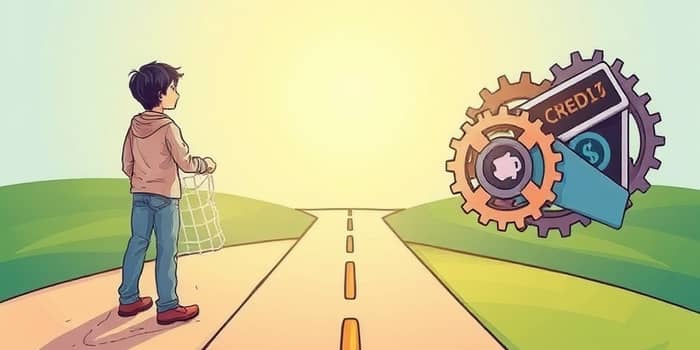
Financial emergencies can strike without warning, leaving you at a crossroads between using your hard-earned savings or relying on credit. This decision impacts your long-term stability and peace of mind, making it crucial to choose wisely.
Imagine facing a sudden job loss or a major car repair—do you dip into cash reserves or swipe a card? The answer isn't always clear, but understanding the nuances can prevent debt spirals and build resilience.
This article delves into the key differences, offering practical guidance to help you navigate these moments with confidence and clarity. Let's explore how to make informed choices that protect your financial future.
An emergency fund is cash set aside specifically for unexpected, necessary expenses. It serves as a financial safety net to avoid going into debt during crises like medical emergencies or income loss.
Held in separate, liquid accounts such as high-yield savings or money market accounts, it ensures accessibility without mixing with everyday spending. This liquidity is key to maintaining quick access when you need it most.
Experts commonly recommend saving 3–6 months of necessary expenses. This range helps cushion blows from income interruptions, providing a buffer that reduces financial stress significantly.
For instance, a dual-income household might aim for three months, while single earners or those with variable income should target six months or more. Building this fund requires discipline, but the payoff in security is immense.
Credit cards offer a revolving line of credit, allowing you to borrow money for expenses and repay later. However, they come with notoriously high interest rates, often exceeding 20% APR, which can turn small emergencies into long-term burdens.
When used responsibly—paid in full each month—they can provide short-term interest-free loans and rewards. Yet, the risks are substantial if balances aren't cleared quickly.
Consider a $1,000 car repair charged to a card with only minimum payments. At 20% APR, this could cost double the original amount and take years to pay off, highlighting the danger of relying on credit for emergencies.
Additionally, maxing out cards can lead to over-limit fees or closures, leaving you vulnerable in future crises. The psychological toll of debt can also normalize spending over saving, undermining financial health.
To make informed decisions, weigh the advantages and drawbacks of each option. This comparison helps clarify when to tap savings or use credit strategically.
Emergency funds shine in providing no-interest solutions and avoiding high-cost debt. They offer psychological benefits, reducing stress and enabling career flexibility during tough times.
On the downside, building a fund requires sacrifice, with savings earning low interest compared to investments. For those with existing debt, it can feel inefficient to save while paying high card rates.
Credit cards, when used prudently, offer immediate funds and potential rewards. They can serve as a bridge for short-term gaps, especially with 0% APR offers, but only if you have a solid repayment plan.
However, the disadvantages are stark. Without quick payoff, they lead to expensive debt cycles and can harm credit scores through high utilization. Not all emergencies accept cards, adding to the risk.
Tap into your savings for true emergencies that threaten your financial stability. This ensures you avoid long-term debt and maintain control over your finances.
Job loss is a prime example. Use your fund to cover essential bills like housing and groceries while searching for work, as it's designed for income interruption scenarios.
These situations require immediate action without the burden of interest. By relying on savings, you protect your credit and future earnings from being drained by high costs.
Remember, an emergency fund is your first line of defense. Building it gradually, even with small contributions, can transform your resilience in crises.
In some cases, using a credit card can be beneficial, provided you have a clear payoff strategy. This approach minimizes risks while leveraging credit advantages.
For small, manageable expenses that you can repay with your next paycheck, a card is fine. It can even help earn rewards if you swipe and pay immediately from savings.
However, avoid relying solely on credit if you have unstable income or are near your limit. Issuers might reduce access, leaving you exposed. Always assess your ability to repay before charging.
By using credit strategically, you can navigate minor emergencies without depleting savings. Just ensure discipline to prevent falling into debt traps.
Creating an emergency fund might seem daunting, but starting small can lead to significant progress. Focus on consistency and realistic goals to build a cushion over time.
Begin by setting aside a portion of each paycheck, aiming for that 3–6 month target. Use automated transfers to a high-yield account to simplify the saving process and earn better interest.
Simultaneously, manage credit card use by paying balances in full and keeping utilization low. This dual approach strengthens your overall financial health, providing both liquidity and creditworthiness.
Inspire yourself by envisioning the peace of mind that comes with preparedness. Each dollar saved is a step toward greater independence and security, empowering you to face uncertainties head-on.
The choice between an emergency fund and a credit card hinges on your specific circumstances and preparedness. By understanding the costs and benefits, you can navigate emergencies with confidence rather than fear.
Prioritize building a cash reserve to avoid high-interest debt, but don't shy away from using credit wisely when it aligns with your repayment ability. This balanced approach fosters long-term stability and reduces financial anxiety.
Remember, financial health is a journey. Start today by assessing your savings and credit habits, making small changes that compound into significant protection. With the right strategies, you can turn emergencies into manageable bumps in the road, not insurmountable obstacles.
References