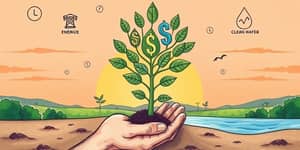
In today’s rapidly evolving financial world, borrowers and lenders alike seek more than just favorable interest rates. They want to foster positive change while securing capital.
By integrating ethical considerations with traditional credit analysis, financial stakeholders can generate both economic returns and social benefits, forging lasting partnerships built on trust and shared impact.
At its foundation, ethical lending rests on enduring values that ensure credit serves people and the planet alongside profit.
Translating these principles into actionable processes demands thorough methodologies at every stage of the lending lifecycle.
Lenders engage in comprehensive borrower evaluations and screening that examine environmental policies, labor standards, governance structures, and future sustainability plans.
Understanding how conventional and ethical lending differ illuminates the true value of integrating purpose with profit.
While ethical lending unlocks transformative potential, it also presents complex obstacles that demand strategic solutions.
One major challenge is the perceived complexity of compliance when lenders must evaluate diverse ESG standards across industries and regions. Extensive documentation and monitoring can strain small enterprises with limited administrative capacity.
Overcoming these hurdles requires digital reporting tools, capacity-building workshops on sustainable practices, and partnerships that share resources—delivering impact without overwhelming borrowers.
As global awareness of social and environmental issues intensifies, ethical lending is positioned for unprecedented growth.
These trends point toward a future where every loan decision aligns with the United Nations Sustainable Development Goals—turning capital allocation into global progress.
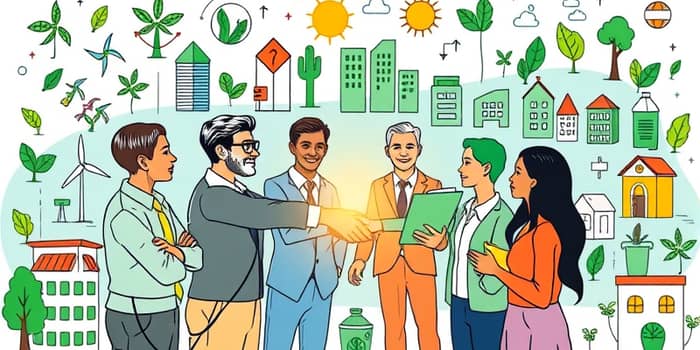
True balance between profit and purpose arises when borrowers, lenders, and communities embrace collaborative partnerships fueled by shared objectives.
Integrating collaborative impact reporting and accountability into loan agreements allows all parties to track results, refine strategies, and celebrate achievements, strengthening trust and driving continuous improvement.
By choosing ethical lending pathways, businesses transform financing events into legacies of positive change—fostering resilient communities, protecting natural resources, and generating sustainable prosperity far beyond quarterly returns.
References