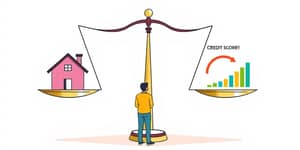
In today's financial world, achieving big dreams often requires significant funding.
Secured loans provide a smart path forward by using your assets as collateral.
This method not only helps in funding your aspirations but also ensures your hard-earned possessions stay protected.
Imagine buying a home, starting a business, or consolidating debt without draining savings.
With secured loans, these goals become more accessible and affordable.
A secured loan is a type of borrowing backed by collateral.
Collateral is an asset you own that the lender can claim if you default.
This arrangement transfers risk from the lender to you, but it comes with benefits.
Common forms of collateral include real estate, vehicles, and financial accounts.
By pledging these assets, you gain access to better loan terms.
This makes secured loans a powerful tool for financial growth.
Operationally, a lender places a lien on your collateral when you take out a secured loan.
You retain use and possession of the asset, but the lender holds a legal claim until repayment.
If you default, the lender can repossess or foreclose on the asset to recoup losses.
Most secured loans are installment loans with fixed monthly payments, rates, and terms.
Terms can range from one year for personal loans up to thirty years for mortgages.
This structure provides predictability and long-term financial planning opportunities.
Understanding the differences between secured and unsecured loans is crucial for making informed decisions.
Unsecured loans, like credit cards or personal loans, do not require collateral.
Approval is based primarily on creditworthiness, income, and existing debt.
Defaulting on an unsecured loan leads to credit damage and possible legal action, but no specific asset is at risk.
This comparison highlights why secured loans can be more advantageous for certain needs.
For example, they offer lower costs and greater flexibility for large projects.
Secured loans come in various forms tailored to different purposes and collateral types.
Everyday secured loans are widely recognized and used for major purchases.
Specialized secured personal credit products also exist to meet diverse needs.
These options provide accessible funding for various goals, from home improvements to credit building.
One of the biggest advantages of secured loans is their potential for lower interest rates.
Average personal loan APRs for unsecured loans hover around 12.20%, with ranges from 8% to 36%.
Secured loans can start significantly lower, often as low as 3.50% APR at some credit unions.
For instance, savings-secured loans might price at the deposit rate plus 2% to 3%.
Concrete examples show tangible savings with secured loans.
This demonstrates how lower rates reduce financial burden over time.
Real product APRs vary, with secured loans from lenders like Upgrade offering 7.74% to 35.99%.
Contrast this with predatory rates above 36%, which experts warn against.
Secured loans offer multiple benefits that align with funding your future and protecting assets.
First, they provide lower interest rates due to reduced lender risk.
This leads to more affordable monthly payments and less total interest paid.
Second, they are easier to qualify for, especially with weaker credit histories.
Collateral mitigates risk, allowing lenders to approve applicants with low or fair credit scores.
Third, secured loans enable higher borrowing limits for larger projects.
Fourth, they come with longer repayment terms, offering flexibility and manageable payments.
These advantages make secured loans a strategic choice for long-term planning.
While secured loans have many benefits, they also carry risks that require careful management.
The primary risk is the potential loss of collateral if you default on the loan.
This can lead to significant financial and emotional strain, so it's essential to borrow responsibly.
To minimize risks, consider your ability to repay and choose collateral wisely.
Additionally, be aware of fees and penalties associated with secured loans.
By taking these steps, you can harness the power of secured loans while safeguarding your assets.
Selecting the best secured loan involves evaluating your needs, assets, and financial situation.
Start by determining your funding goal, whether it's buying a home, consolidating debt, or investing in education.
Next, identify suitable collateral that you own and are willing to pledge.
Compare offers from multiple lenders, focusing on interest rates, terms, and fees.
Look for loans with transparent terms and fair conditions to avoid hidden costs.
Consider consulting with financial advisors or using online tools for guidance.
This proactive approach ensures you secure a loan that supports your future without undue risk.
Secured loans represent a dynamic financial tool that balances opportunity with security.
By leveraging your assets, you can access funds for major life goals at favorable terms.
They offer a path to achieving dreams while maintaining stability in your financial journey.
Whether you're looking to buy a home, start a business, or improve your credit, secured loans provide a viable solution.
Embrace this strategy to fund your future and protect what matters most.
With careful planning and responsible borrowing, you can turn aspirations into reality.
References