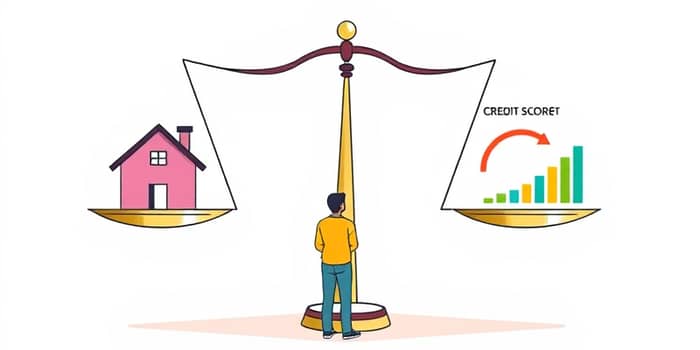
Navigating the world of loans can feel overwhelming, but understanding your options is the first step toward financial empowerment.
Whether you're funding a dream purchase or consolidating debt, the choice between secured and unsecured loans shapes your journey.
Grasping the core differences between these loan types is essential for making a decision that aligns with your goals.
Secured loans require collateral, such as a home or car, which the lender can claim if you default.
This makes them less risky for lenders and often more accessible for those with varied credit histories.
Common types of secured loans include:
Unsecured loans do not require any collateral from the borrower.
Approval hinges on your creditworthiness and income, making them a flexible but riskier option for lenders.
Typical unsecured loans are:
To visualize the contrasts, here is a comprehensive table that breaks down the essential aspects.
This table highlights the trade-offs between risk and reward in your financial decisions.
Secured loans typically offer generally lower interest rates because collateral reduces lender risk.
For example, some lenders report APRs about 20% lower for secured options compared to unsecured ones.
Unsecured loans come with higher interest rates on average, often ranging from 7% to 36%.
This reflects the increased risk for lenders who have no asset to fall back on.
Choosing between them involves balancing cost savings against the potential loss of collateral.
Secured loans allow higher borrowing limits, often tied to the collateral's value, such as in mortgages.
They are ideal for borrowers rebuilding credit or with limited history because the asset mitigates risk.
Unsecured loans have lower limits, dependent on factors like credit score and income.
Qualification for unsecured loans involves:
This makes them best for those with excellent credit seeking flexibility without asset risk.
Secured loans may have slower funding due to collateral appraisal, taking up to a week or more.
They often come with restricted use of funds, such as for buying a home or car specifically.
Unsecured loans offer faster approval and funding times, sometimes within a day.
They provide flexible use of funds for various needs like debt consolidation or vacations.
This speed versus restriction dynamic is crucial for urgent financial needs.
Both loan types usually feature fixed monthly payments over terms of 2 to 7 years.
Secured loans might offer longer terms, reducing monthly payments but increasing total interest.
Risks for secured loans include asset loss if defaulted, such as home foreclosure.
For unsecured loans, risks involve credit damage and collections from default, though no direct asset seizure.
Understanding these risks helps protect your long-term financial health and stability.
Consider your personal circumstances to make an informed choice.
Secured loans are best for:
Unsecured loans suit:
Assessing these factors leads to a confident and strategic decision.
Choosing between secured and unsecured loans is more than a financial transaction; it's about aligning with your life goals.
By weighing factors like interest rates, risks, and your credit profile, you can navigate this decision wisely.
Remember, the right loan empowers you to achieve dreams while safeguarding your assets.
Take time to reflect on your needs and consult with financial advisors if needed.
Ultimately, an informed and confident choice sets the foundation for a brighter financial future.
Let this guide inspire you to take control and move forward with clarity and purpose.
References