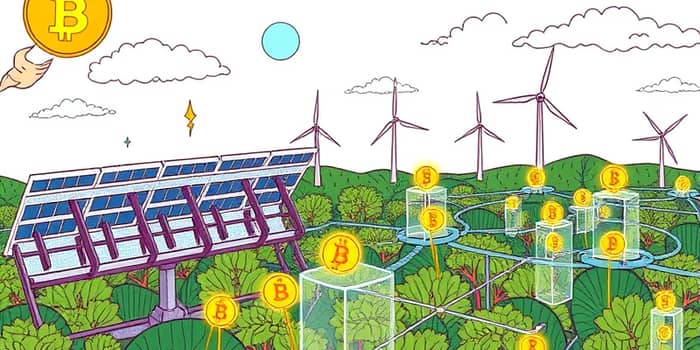
Blockchain technology has come a long way since the days when mining rigs consumed more power than entire nations. Today, the industry is witnessing a transformational pivot toward sustainability, fueled by innovation and environmental consciousness.
As digital assets become mainstream, the quest for greener methods has never been more urgent. From carbon-neutral mining to decentralized energy trading, the next wave of blockchain solutions promises to harmonize technological progress with ecological responsibility.
Conventional Proof of Work blockchains bear the burden of high energy consumption demands, leading to colossal electricity usage and immense carbon footprints. These networks require specialized hardware running continuously to solve cryptographic puzzles, often powered by fossil fuels.
When Ethereum transitioned from PoW to PoS, it achieved a 99.9% cut in power use, underscoring the urgent need for greener approaches across the industry.
Blockchains are evolving beyond energy-hungry architectures through cutting-edge energy-efficient consensus mechanisms and hardware enhancements that slash resource demands without compromising security.
By leveraging seamless renewable energy integration, developers are pioneering data centers and validator nodes powered by solar, wind, and hydropower, ensuring that each transaction carries a lighter environmental footprint.
The green blockchain ecosystem is populated by trailblazing projects that prioritize the planet alongside profit. Each initiative demonstrates unique approaches to minimizing environmental harm while delivering robust features.
Beyond cryptocurrencies, blockchain’s immutable architecture fosters trust and transparency in environmental markets. Companies and governments leverage distributed ledgers for rigorous carbon tracking and transparent supply chains.
Decentralized energy grids powered by renewable sources allow households to trade surplus electricity, fostering resilient microgrids and reducing reliance on centralized utilities. Waste management systems employ tokenization to reward recycling and curb landfill overflow, while ecosystem restoration groups secure funding and verify impact through tamper-proof records.
These applications underline blockchain’s versatility in addressing real-world environmental challenges, bridging the gap between digital innovation and ecological stewardship.
Looking ahead to 2026, several macro trends indicate a maturing green blockchain ecosystem. Anticipated regulatory clarity around stablecoins and custody will unlock new institutional capital, while coordinated US–EU guidelines on tokenized assets will foster cross-border collaboration.
Institutional adoption is poised to accelerate, with banks accepting tokenized equities as collateral and growing volumes of real-world asset tokenization. Layer 2 networks will achieve greater interoperability through advanced cross-chain protocols such as LayerZero and Circle’s CCTP, creating multi-chain ecosystems that optimize for cost, speed, and sustainability.
Emerging technologies—like AI-powered governance agents and decentralized identity solutions—will enhance efficiency and security. DeFi’s integration with TradFi promises new financial primitives, from programmable debt instruments to on-chain derivatives, all underpinned by robust environmental standards.
Public-private partnerships will drive global coordination, ensuring that green blockchain initiatives align with broader sustainability goals, from the United Nations’ climate targets to regional conservation programs.
Eco-conscious blockchains offer compelling advantages over legacy financial infrastructure. They deliver cryptographic immutability and trust, enabling auditable, tamper-proof records for environmental markets.
With 24/7 autonomous settlement operations, transactions finalize instantly, representing a leap from traditional T+2 settlement cycles. Automation through smart contracts reduces administrative overhead and human error, driving operational efficiencies.
Cost savings are substantial: Layer 2 fees routinely fall below a penny, and PoS networks can cut energy use by over 99%. As programmable assets and tokenized real-world securities become commonplace, blockchain will catalyze financial inclusion and innovation.
Metrics such as carbon offset volumes, renewable energy utilization rates, and on-chain transaction efficiency offer tangible indicators of progress, guiding stakeholders toward ever-greener performance benchmarks.
Ultimately, sustainable digital currencies and eco-conscious blockchains stand at the nexus of technological advancement and environmental responsibility. By embracing renewable integration, efficient consensus, and transparent governance, this frontier holds the promise of redefining finance for the planet’s benefit.
Whether you’re a developer, investor, or enthusiast, now is the time to engage with green blockchain initiatives. Your participation can shape an ecosystem where innovation thrives in harmony with the Earth, ensuring that the digital revolution leaves a positive legacy for generations to come.
References