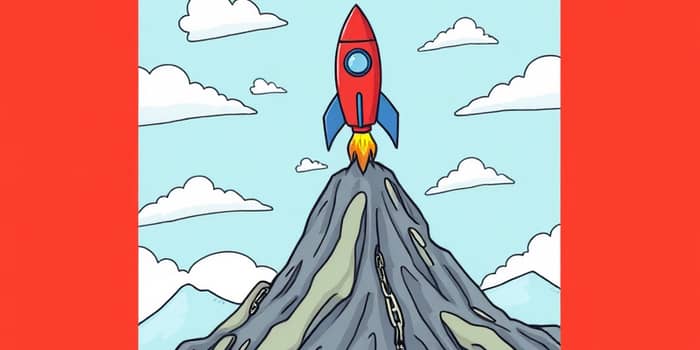
Debt can feel like a gravitational pull, relentlessly dragging you down with high interest and minimum payments. Achieving debt escape velocity is the strategic move to break free, not just survive.
Balance transfers offer a powerful launchpad by shifting high-interest debt to cards with low or 0% introductory APRs. This temporary interest relief creates a window to accelerate payoff.
However, without a solid plan, you risk merely orbiting debt instead of escaping it. The real transformation comes from combining this tool with disciplined behavior change.
A balance transfer involves moving existing debt from one credit card to another, typically to secure a lower interest rate. Commonly, cards offer 0% APR for promotional periods ranging from 6 to 21 months.
This process does not reduce your total debt instantly. Instead, it changes where and how much interest you pay. The goal is to leverage this period to make significant progress on your principal.
For example, transferring $5,000 from a card with 15% APR to one with 0% APR for 12 months can save hundreds in interest. Every dollar paid during this window goes directly to reducing principal.
To achieve escape velocity, you must calculate your required monthly payments. Use the formula: divide your balance plus transfer fee by the promo months. This ensures you pay off the debt in time.
Consider a scenario with $6,000 debt and a 3% fee on an 18-month 0% APR card. Your monthly payment should be about $343 to hit zero by the end.
This table highlights how balance transfers can shift your financial trajectory. Proper planning is essential to maximize savings.
Balance transfers provide multiple advantages that support debt escape. Lower or zero interest means more of your payment targets principal.
By consolidating multiple balances, you reduce the risk of missed payments. This organizational boost helps maintain financial discipline.
Despite the benefits, pitfalls can derail your escape plan. Balance transfer fees of 3-5% can outweigh savings if not calculated.
If you miscalculate, you might end up with more debt. Always do the math before proceeding.
To truly escape debt, adopt a comprehensive approach. Start by evaluating your finances to ensure a transfer makes sense.
Behavior change is critical; without it, transfers are futile. Commit to a payoff plan and track your progress.
Begin by researching balance transfer cards with favorable terms. Look for long promo periods and low or no fees.
This proactive stance transforms a transfer from a short-term fix to a long-term solution. Your financial health depends on consistent action.
Achieving debt escape velocity is within reach with careful planning. Balance transfers are a powerful tool, but they require commitment and behavior change.
By leveraging promotional rates, consolidating debt, and sticking to a payoff plan, you can break free from high-interest credit card debt. Your journey to financial liberation starts with a single, strategic move. Embrace the opportunity to accelerate towards a debt-free future.
References