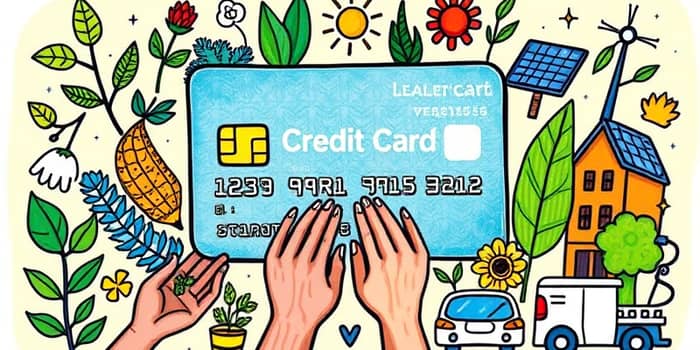
A gentle tap of a credit card can ripple across oceans, forests, and communities. Imagine choosing a coffee shop because it supports fair-trade farmers or a ride-share service backed by carbon offset initiatives. These decisions showcase how every purchase carries a moral vote in today’s interconnected world.
In times of rising inflation and social division, the concept of the ethical cardholder has emerged as a guiding beacon. By aligning spending habits with personal beliefs, cardholders can champion sustainability, inclusivity, and transparency while navigating economic pressures.
The ethical cardholder moves beyond traditional loyalty metrics, such as points or cashback, toward a broader vision of impact. Each credit card transaction becomes an opportunity to influence corporate behavior, encourage ethical labor practices, and support environmental stewardship.
Modern tools like carbon-tracking apps and card-linked platforms enable individuals to monitor the sustainability footprint of their purchases. By selecting cards that round up to charity or offer extra rewards at eco-conscious retailers, cardholders weave their values directly into their financial lives.
However, this shift demands careful brand vetting and ongoing vigilance. From reviewing annual sustainability reports to checking supply chain disclosures, time and effort are essential ingredients for authentic ethical spending.
Gen Z is at the forefront of this movement, treating their wallets as megaphones for change. With over 70% of young consumers willing to pay more for brands that prioritize environmental responsibility, social equity, and transparent governance, the stakes for companies have never been higher.
This generation’s comfort with AI-driven shopping experiences and omnichannel browsing further amplifies their impact. While nearly one in five consumers avoid retailers based on political stances, Gen Z often leverages social media to broadcast endorsements and expose shortcomings.
Community-driven hashtags like #ShopEthical and #SustainableFashion drive accountability, turning individual purchases into viral campaigns. By sharing firsthand experiences and product reviews, young cardholders shape a dynamic marketplace where authenticity is the ultimate currency.
By late 2025, 37% of U.S. consumers cited rising prices as their primary concern, highlighting the reality of a K-shaped economy. While affluent households saw discretionary spending climb 6% since 2019, lower-income groups tightened budgets, with 25% living paycheck-to-paycheck.
Ethical products often carry higher price tags, creating barriers for budget-conscious shoppers. To remain accessible, sustainable brands increasingly offer private-label versions, bundle promotions, and club-store pricing models. Credit cardholders can harness digital deals, seasonal discounts, and loyalty points to bridge the affordability gap.
This balancing act between values and value demands innovative budgeting strategies. Setting aside a dedicated ethical spending fund or automating micro-contributions to green initiatives ensures that convictions do not get sidelined by wallet constraints.
Patagonia remains a gold standard, channeling 1% of sales into environmental grants and publishing comprehensive impact reports. TOMS solidified its reputation with a one-for-one shoe donation model, tangibly connecting consumer choice to social good. Nike’s diversity programs and local community investments have further demonstrated how major corporations can embed ethics into their core strategies.
Conversely, brands that issue broad, unverified sustainability claims risk eroding consumer trust. In 2024, a fast-fashion label faced widespread backlash after an investigative report revealed misleading recycling initiatives. This incident served as a stark reminder that transparency without substance invites scrutiny.
Regulators and investors now demand rigorous ESG disclosures, forcing brands to adopt third-party audits and verifiable supply chain transparency. For cardholders, tracking these metrics can guide spending toward companies with genuine ethical commitments.
Transforming ordinary card usage into a force for good involves deliberate choices and structured planning. Consider these actionable steps:
By integrating these practices, cardholders safeguard against impulse purchases and maintain alignment with personal ethics.
Peer networks and social platforms magnify the effects of ethical spending. Online forums, local meetups, and pop-up markets provide spaces to discover emerging responsible brands, share reviews, and swap tips on avoiding greenwashing.
Community-supported initiatives, such as cooperative grocery projects and repair cafes, empower individuals to reduce waste and champion local economies. When consumers band together, they wield collective bargaining power, shaping corporate policies through concerted advocacy.
As we move further into 2026, several emerging patterns will define the landscape of ethical cardholder spending:
These developments promise a more inclusive and transparent future. Ethical cardholders who stay informed, engage with communities, and champion accountability will continue to shape market dynamics for the better.
In a world of complex challenges, each credit card transaction offers a chance to drive positive change. By embracing the ethos of the ethical cardholder, consumers demonstrate that every swipe carries weight, and together, they can steer business practices toward a greener, fairer tomorrow.
References