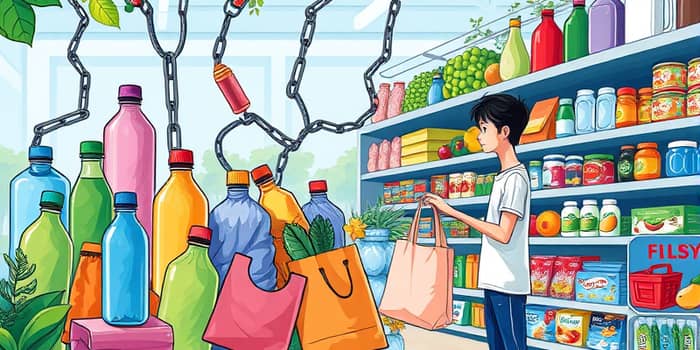
Why do we keep reaching for single-use plastics even when we know the environmental toll? Hidden forces shape our choices in subtle ways. By understanding these drivers, we can reclaim control and spend smarter.
Every time we shop, brands compete for our attention. Packaging is not just a container—it’s a strategic tool designed to trigger emotions and decisions. From the glossy sheen of a water bottle to the bright hues of snack wrappers, marketers leverage psychological principles to guide our behavior.
Consider color psychology. Manufacturers know that shades of green can evoke ideas of freshness, while red may trigger excitement or urgency. This use of color in packaging design makes us feel drawn to certain products before we even read the label. The visual appeal and brand image becomes a silent persuader, convincing us that a plastic-wrapped item is fresher, safer, or simply more desirable.
Humans are inherently social creatures. When friends or influencers champion a product, we feel an urge to conform—this is called normative social influence. On social media, seeing peers with the latest bottled drink or trendy plastic gadget increases our impulse to buy, often without practical need.
Informational social influence also plays a role. When a trusted voice shares information—accurate or not—about the convenience or necessity of plastic goods, our confidence in that choice rises. We forget to question whether we truly need another plastic straw or utensil.
Even when we understand plastic’s harm, emotional barriers can stall change. A lack of personal connection to pollution makes the crisis feel distant. We experience moral disengagement, telling ourselves that our single purchase won’t make a difference.
Moreover, the gradual nature of plastic pollution lacks the immediacy of more visible threats. Without vivid images or firsthand encounters, it’s hard to feel the urgency. Bridging this gap requires fostering an emotional bond—envisioning the journey of that plastic straw through oceans, wildlife, and landfills.
Plastic’s dominance largely stems from its unparalleled convenience. It keeps food fresh, protects hygiene, and often costs less. When faced with a shelf of plastic-wrapped items and no reusable alternatives, consumers default to the easiest option.
This convenience factor strips away our agency, making sustainable choices feel impossible. We must challenge the assumption that plastic is the only practical solution by seeking or demanding viable alternatives.
Education about plastic’s impact is vital, yet knowledge alone rarely leads to action. People often know the facts but feel overwhelmed by the scale of the problem. This creates a gap between intention and behavior.
To close this gap, systems must be redesigned. Packaging that clearly signals ease of recycling, for instance, empowers consumers to make better choices at the point of purchase.
Transforming our consumption habits starts with awareness and concrete steps. Here are practical strategies to reduce plastic use and make every dollar count:
Understanding how payment methods influence purchases can also help. Studies show that using cash instead of cards can curb impulse buying of non-essential items—often wrapped in plastic. Being mindful of spending modes can lead to more intentional choices.
Behavioral shifts unfold in stages. Recognizing your current stage can guide targeted actions:
While individual choices matter, systemic shifts can amplify impact. Policies that incentivize sustainable packaging, retailer commitments to reduce plastic, and innovations in design will create an environment where the default is eco-friendly.
By combining education with engaging product design and mindful spending, we can overcome the psychological barriers keeping us tethered to plastic. Each conscious decision—no matter how small—adds up to real change. Let’s spend smarter, act boldly, and reshape the future of consumption.
References