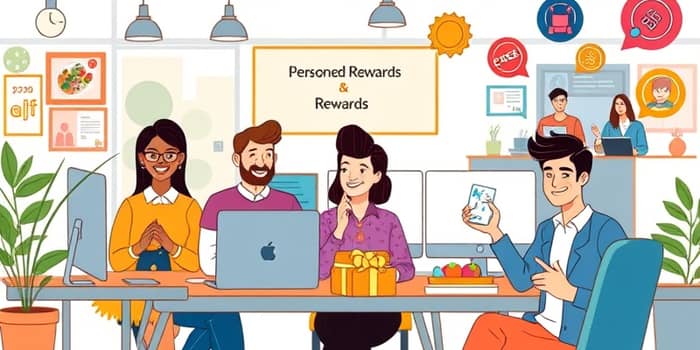
In today’s competitive landscape, organizations often rely on gift cards and cash bonuses to appreciate their teams. While these standard rewards provide immediate gratification, they rarely inspire deep loyalty or long-term commitment. The true power lies in uncovering hidden value—non-monetary, experiential, digital, and peer-driven incentives that ignite passion, reinforce culture, and foster organizational growth.
Imagine a workplace where employees eagerly anticipate tailored retreats, spontaneous peer nominations, or AI-powered recognition. These creative incentives address not just financial needs but also emotional, social, and professional aspirations. By shifting focus to memorable experiences, companies can reduce turnover, boost morale, and align individual goals with overarching business objectives.
Standard rewards like gift cards and performance bonuses are familiar and simple to administer, but their impact often fades quickly. In contrast, hidden-value programs:
By integrating both monetary and non-monetary rewards, organizations can create a balanced approach that resonates across generations and work styles. Whether your workforce is in-office, hybrid, or fully remote, the secret lies in tapping into what motivates each individual beyond a paycheck.
Understanding how traditional incentives differ from their hidden-value counterparts is essential for designing programs that inspire and retain top talent. The table below highlights key contrasts:
Leading companies have already embraced hidden-value rewards with remarkable results. Their stories illustrate the transformative potential of creative incentives.
HP surprised remote workers with weekend virtual dance parties and Michelin-star cooking classes, nurturing team spirit and emotional connection across continents.
Apple offers three paid vacation days post-Black Friday, fitness stipends, and extensive tuition reimbursement, demonstrating a long-term commitment to employee well-being and growth.
DreamWorks blends education and fun with mentoring workshops, yoga sessions, ping-pong tournaments, and gallery exhibits, making every day an opportunity to learn and celebrate.
Google sets the bar high with tuition support, hybrid work models, mental health resources, and free meals—an ecosystem designed to foster creativity and reduce burnout.
Zappos empowers employees with monthly $50 peer bonuses and its own Zollar currency, cultivating a culture of appreciation and spontaneous generosity.
Netflix champions a freedom-and-responsibility model, granting unlimited vacation and trusting teams to manage their time, sparking ownership and innovation.
Starbucks invests in its people with Bean Stock options and comprehensive tuition assistance, aligning individual success with the company’s long-term vision.
As we look ahead, certain best practices will define the next wave of rewards:
Top platforms like Motivosity, Bonusly, Awardco, and Engage2Reward leverage AI to recommend personalized rewards, ensure compliance, and deliver incentives instantly via email or SMS.
Transitioning from standard to hidden-value rewards requires thoughtful planning. Follow these steps to ensure success:
Unlocking hidden value in employee rewards is more than a trend—it’s a strategic imperative. By combining monetary incentives with personalized experiences, digital platforms, and peer-driven recognition, you can cultivate a resilient, engaged workforce ready to drive your organization forward.
Now is the time to reimagine your reward strategy. Invest in programs that resonate on a human level, and you’ll witness not just improved productivity, but a culture of loyalty, innovation, and shared success.
References